THE OHIO STATE UNIVERSITY · CLASS OF 2028
Project Portfolio
I’m Ethan, a mechanical engineering student working across mechanical design, prototyping, and electromechanical systems.
Seeking 2027 engineering internships
Selected projects
2026 PROJECTS01 / ITW FOOD EQUIPMENT GROUP
Automatic
deli stacking
Developed an integrated mechanism from scratch to reliably catch, release, and stack freshly cut slices from the Hobart series slicers.
Explore the projectR&D Mechanical Engineering Intern · Summer 2026
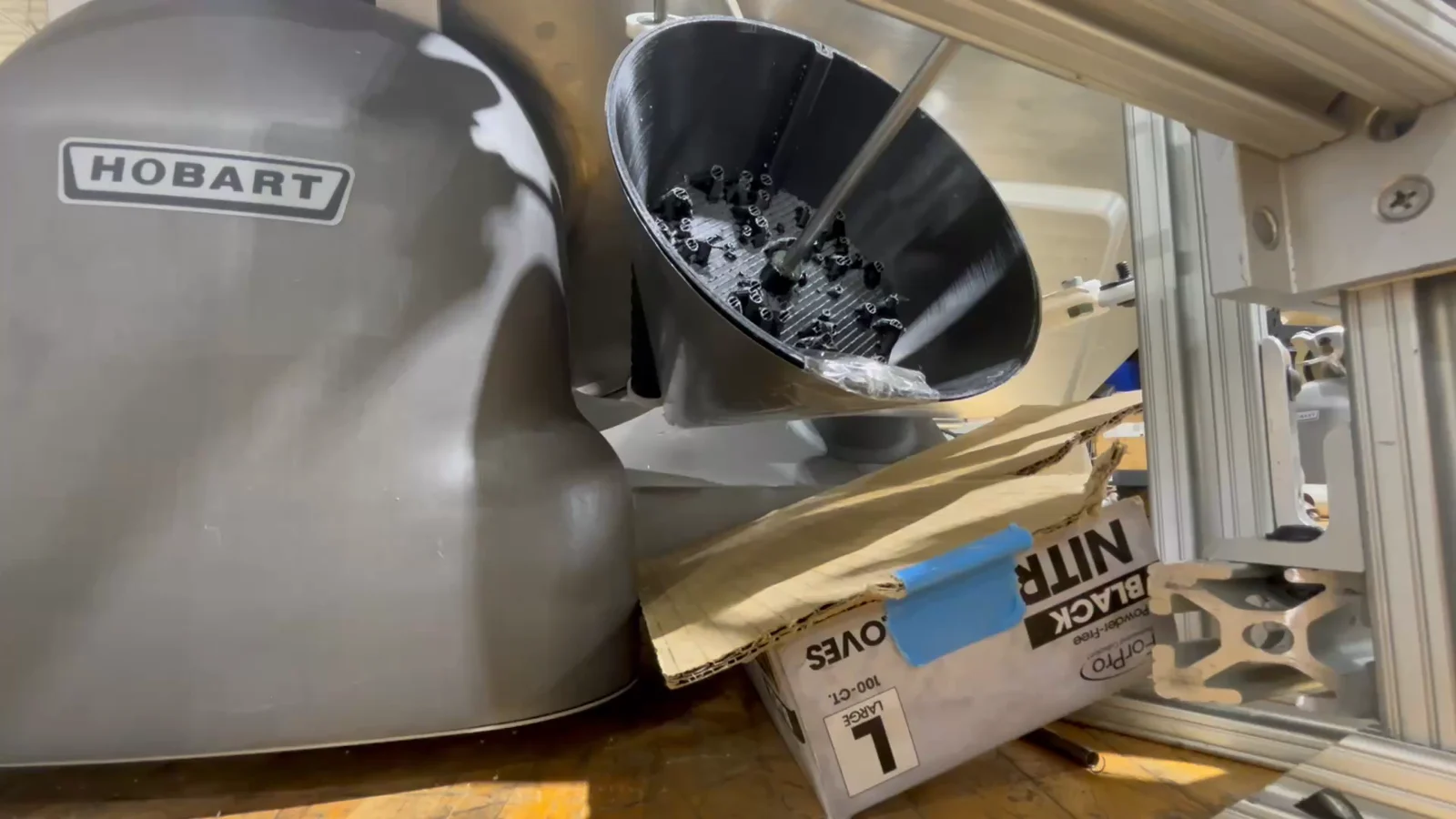 PROTOTYPE IN OPERATION
 02
02Autonomous competition robot
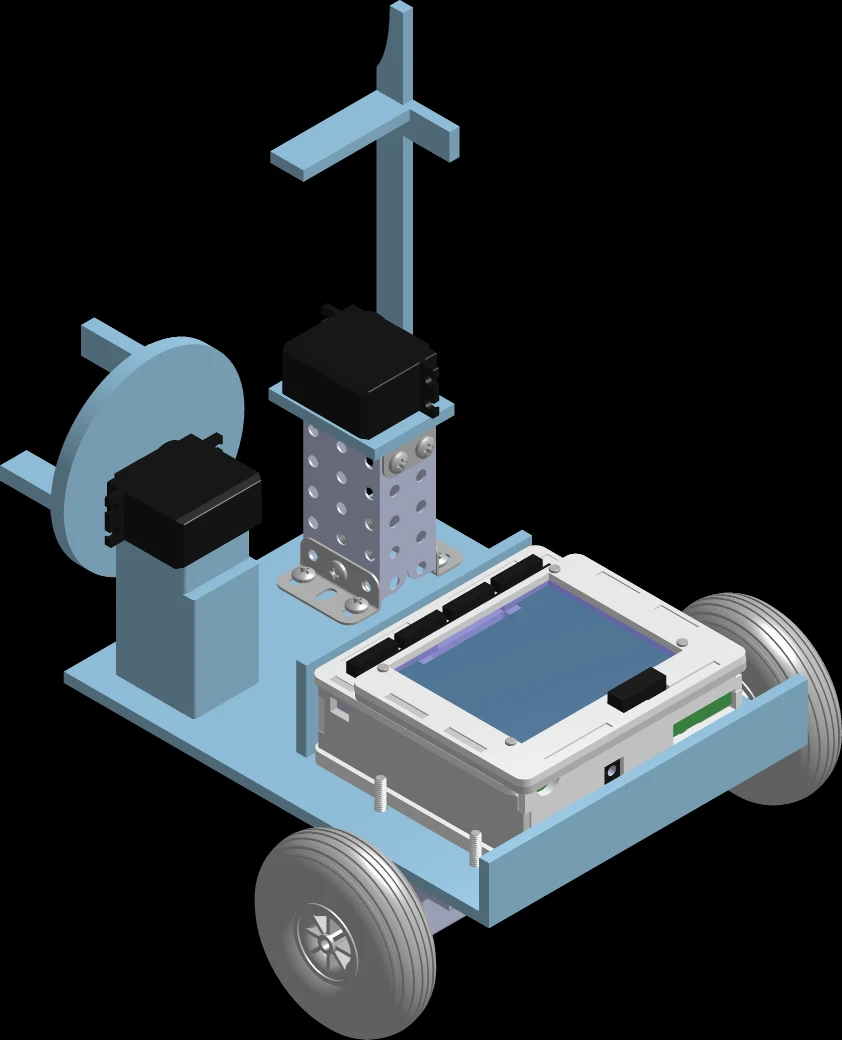
A garden-task robot built by a four-person team. First place out of 68 teams.
 03
03Tremor stabilization spoon
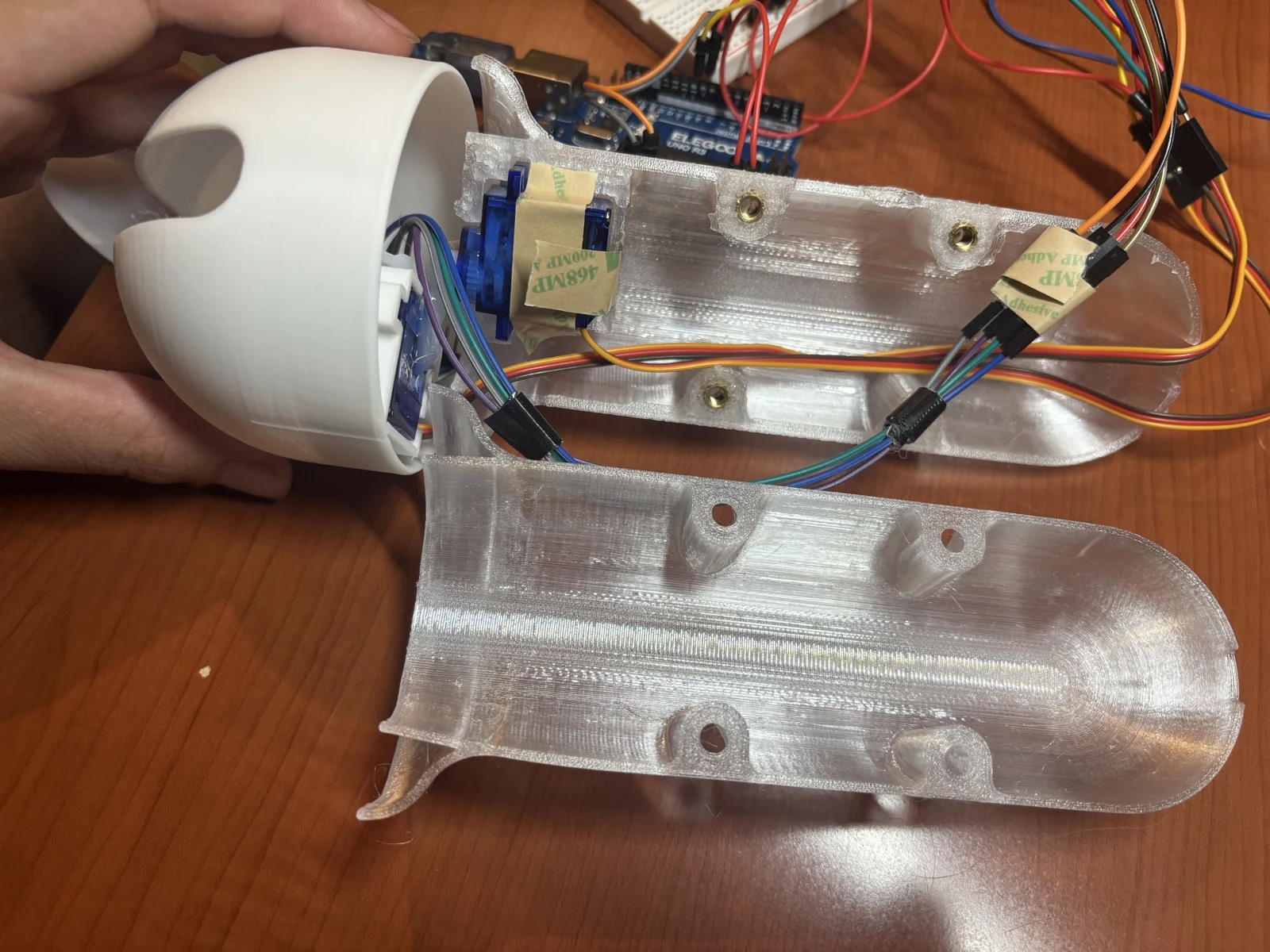
Two axes, an inertial sensor, and servo control to compensate for hand motion.
 04
04LiDAR sensor mount
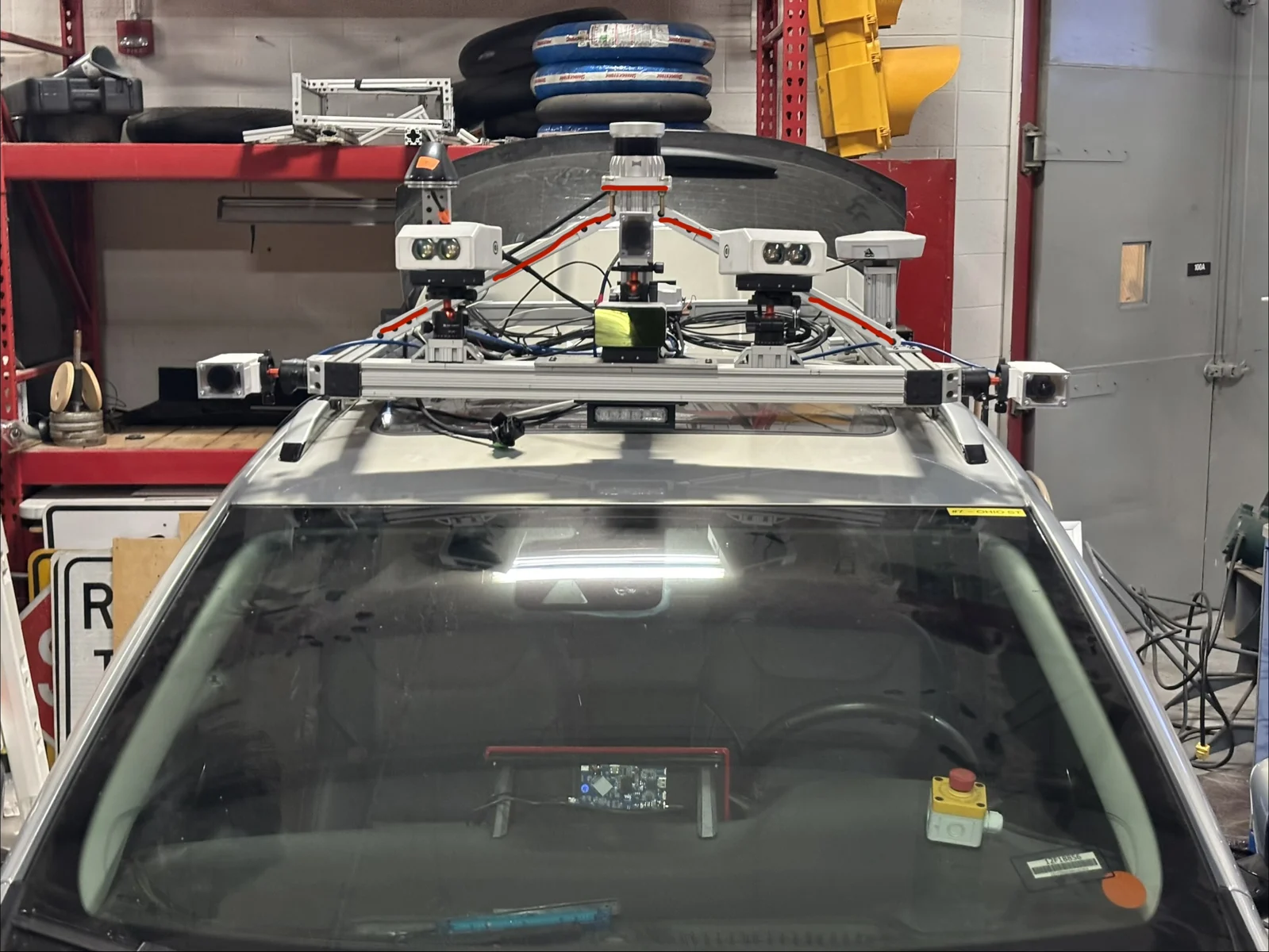
Taking a vehicle-mounted sensor structure from CAD to machining and installation.
 05
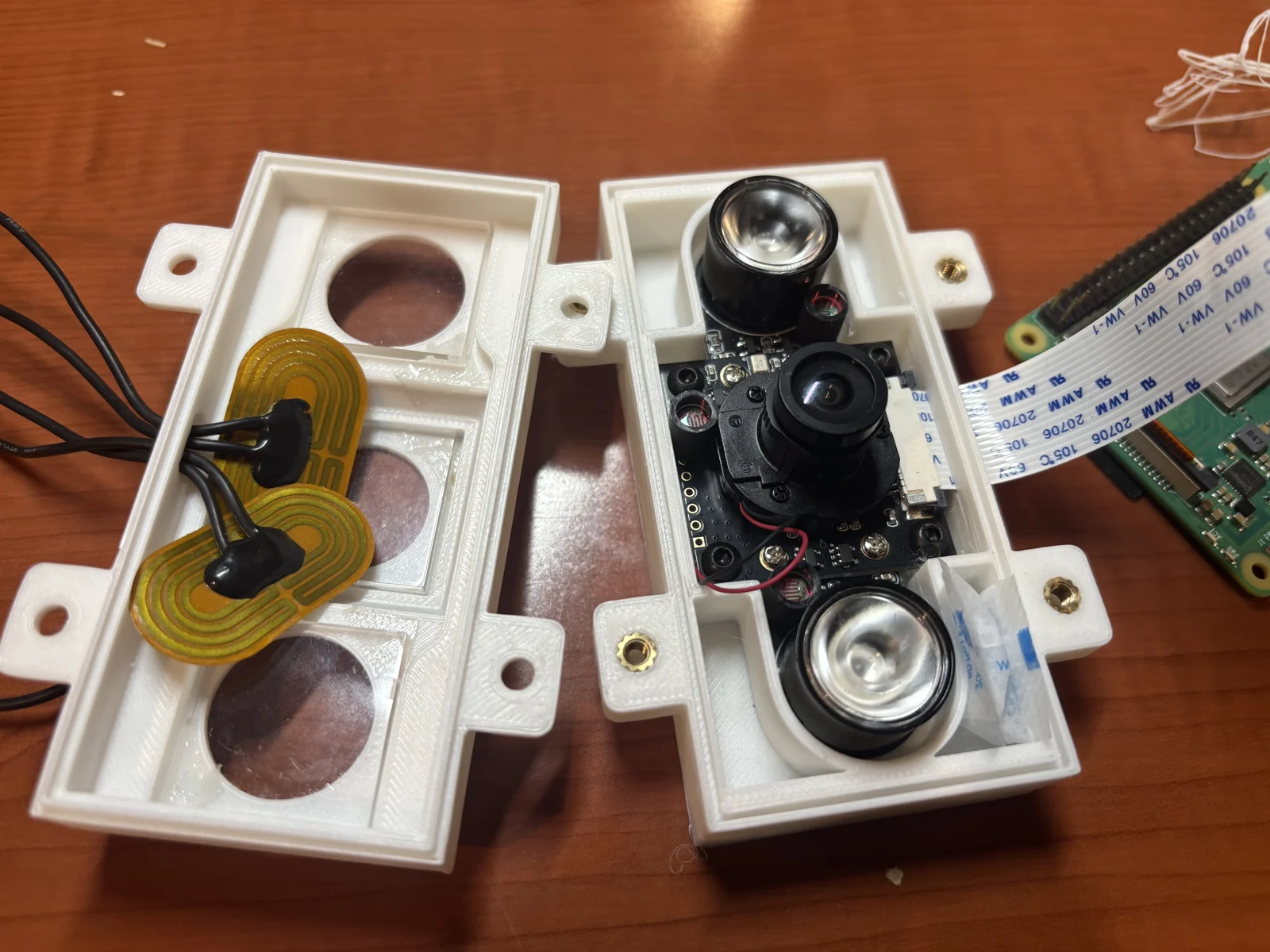
05Smart fridge monitor
A camera enclosure and embedded system designed for a cold, humid environment.
Inside the projects
DESIGN / BUILD / TEST01ITW FOOD EQUIPMENT GROUP / SUMMER 2026Automatic deli stacking
The problem
Freshly cut food slices fall onto the platform below a slicer without a consistent arrangement. The operator then has to organize them by hand. The project explored a mechanism to catch, release, and position slices automatically.
My contribution
As an R&D Mechanical Engineering Intern, I took the project through concept generation, CAD, prototype fabrication, experiments, root-cause analysis, and design reviews. I used SolidWorks simulation and hands-on testing to investigate why the mechanism worked—and where it failed.
Demonstration
Testing rigs & cone iterations
02OHIO STATE HONORS ENGINEERING / SPRING 2025Autonomous competition robot
The problem
Build an autonomous robot to complete a garden-themed course: move an apple basket, rotate a compost drum, operate fertilizer and humidifier controls, and open and close a greenhouse window. The robot had to navigate between tasks within a two-minute run.
My contribution
I co-developed the robot’s custom mechanisms, including a servo-actuated arm and a 3D-printed rotator, and helped integrate the mechanical hardware with the team’s autonomous system. This was a four-person project; the competition result belongs to the whole team.
1st place / 68 teams
Group C9 finished first at the showcase. Team members: Ethan Mark, Connor Nock, Thomas Sobodosh, and Ben Ni.
03PERSONAL PROJECT / SUMMER 2026Tremor stabilization spoon
The problem
Keep a spoon’s bowl approximately level while its handle moves. Pitch and roll can tip food out of the bowl, so the mechanism compensates for those two axes.
My contribution
I designed and printed the housing and linked mechanism, integrated two servos and an MPU-6050 inertial sensor, and wrote Arduino control code to estimate orientation and command compensation.
Demonstration
Mechanical design meets feedback control
The handle mechanism compensates for roll, with a second linked component controlling pitch. The controller reads acceleration, estimates tilt from gravity, smooths the signal, and commands the servos. A small deadband reduces responses to tiny sensor fluctuations.
Prototype demonstrated; tuning still in progress
The mechanism demonstrated active compensation. Remaining work in the portfolio includes tuning compensation gains, reducing jitter, and stiffening the servo-horn connection between the pitch and roll components.
04BUCKEYE SAE AUTODRIVE / 2025–2026LiDAR sensor mount
The problem
Design and fabricate a mounting structure for the team’s OS1 LiDAR sensor on an autonomous vehicle, considering sensor positioning, visibility, assembly, and structural support.
My contribution
As part of the AutoDrive hardware team, I developed the mount in SolidWorks and worked through fabrication and installation. The portfolio documents the sensor baseplate, frame, threaded connections, and final vehicle mounting.
From model to installed hardware
- Used a knee mill to produce bolt holes and countersunk screw holes in the baseplate.
- Rounded corners with a belt sander and finished the surface in a blast cabinet.
- Tapped the supporting beams to create threaded connections.
- Assembled the mounting structure and installed it on the vehicle.
A complete fabrication and integration cycle
The project connected CAD decisions to machining, fastener access, and real vehicle installation. The final assembly provided the physical mounting structure for the team’s sensor system.
05PERSONAL PROJECT / 2026 — ONGOINGSmart fridge monitor
The problem
Develop a refrigerator camera system that could eventually support food inventory tracking. The immediate engineering work focused on a compact enclosure, live image capture, and managing condensation.
My contribution
I designed the enclosure and component layout, integrated a Raspberry Pi and night-vision camera, and developed the camera-streaming and heater-control functions.
Designing for cold and humidity
The housing combines acrylic windows, tongue-and-groove geometry, brass inserts, silica gel, and carbon-film heating elements. These features were intended to protect the camera and reduce condensation as the assembly cooled inside the refrigerator.
Live camera feed
Picamera2 captures frames into memory, while a Flask-based interface serves them over the local Wi-Fi network. Timestamped image requests prevent stale browser images, and the camera switches between regular and night-vision operation.
Heater control
A transistor switches heater power from a GPIO-controlled signal. Pulse-width modulation adjusts the heat output; the software includes a shutdown path intended to switch off the heater when the program exits.
Ongoing development
The enclosure, camera feed, and heater-control work are documented. Object detection, image segmentation, OCR, food-expiration tracking, and recipe features remain planned work. Thermal and flow analysis were also listed as next steps.